
What impact does ending new licenses have on UK production?
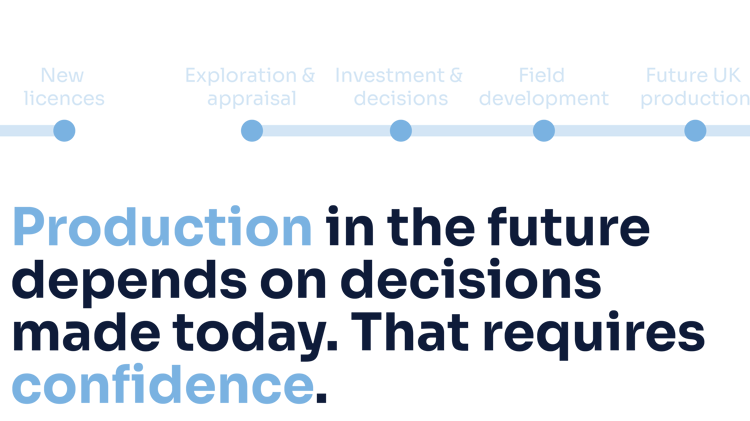
Ending new licences will have more than a marginal impact on UK production, because it shapes the investment conditions that determine whether remaining resources are actually developed.
The North Sea is a mature basin, but it is not close to being exhausted. The North Sea Transition Authority estimates the UK Continental Shelf still holds around 2.9 billion barrels of oil equivalent in proven and probable reserves and a further 6.2 billion barrels in discovered but undeveloped resources. On top of this, it identifies 4.6 billion barrels of oil equivalent in mapped prospects and leads, plus another 11.2 billion barrels in broader plays. These figures represent potential future production that depends on continued investment, approvals and commercial confidence to move from resource to project.
Ending new licensing changes expectations about the long-term viability of the North Sea as a place to deploy capital. That shift in sentiment can accelerate the natural decline of a mature basin by reducing willingness to fund new tie-backs and exploration.
Research from the University of Aberdeen on the West of Shetland area reinforces this broader assessment. It highlights significant remaining yet-to-find potential in a region that is technically challenging but strategically important, being home to major existing and proposed developments including Clair, Rosebank and Cambo.
It is incorrect to suggest that ending new licensing would have little effect on future production.
- Can Britain simply import the energy it needs?
- Will new North Sea oil and gas improve energy security?
- Is the North Sea running out anyway?
- Can renewables replace oil and gas in the near term?
- Can wind and solar can provide all the energy Britain needs?
- Does the ownership of North Sea fields mean production won’t benefit the UK?
- Will production from